Power Up Your Home: The Crucial Services Delivered by Electricians
Many homeowners fail to recognize the critical nature of qualified electricians. These specialists play a critical role in ensuring safety and functionality within residential spaces. From tackling flickering lights to upgrading obsolete systems, their expertise is vital for maintaining a secure environment. Moreover, electricians can improve energy efficiency and integrate smart technology. Understanding the comprehensive array of services they offer can significantly impact your home's performance and safety. What are the specific services that make electricians invaluable?
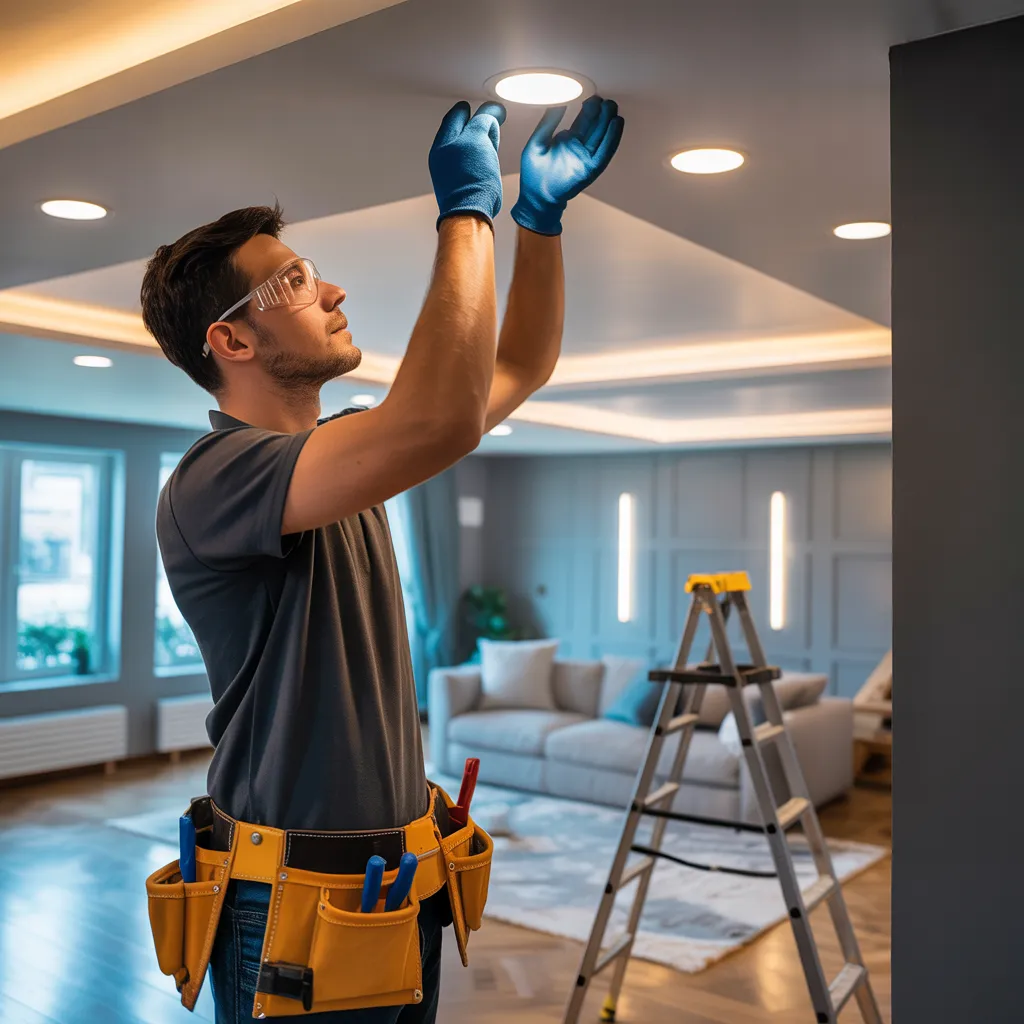
Why You Should Hire a Qualified Electrician
Although countless homeowners might consider addressing electrical concerns on their own, engaging a qualified electrician is vital for maintaining safety and compliance with regulations. Professional electricians have the training and experience necessary to navigate complex electrical systems, which decreases the risk of accidents and hazards. They are experienced in local codes and regulations, guaranteeing that all work satisfies legal standards.
Additionally, certified electricians can recognize potential problems before they develop into serious problems, sparing homeowners time and money in the long run. Their experience allows them to efficiently handle repairs, installations, and upgrades, providing maximum performance and reliability. Furthermore, hiring a licensed electrician protects homeowners from liability in the event of accidents resulting from improper work. Ultimately, hiring a professional is a wise investment, as it guarantees both safety and peace of mind for homeowners anxious about electrical work in their properties.
Typical Wiring Problems and Fixes?
Property owners frequently face numerous electrical issues that can interrupt everyday activities and create safety hazards. One common issue is flickering lights, often caused by loose bulbs or faulty wiring. Tightening connections or replacing old fixtures can resolve this issue. A further regular concern is activated circuit breakers, which might suggest overburdened circuits or defective appliances. To fix this, homeowners should redistribute loads or consult an electrician for potential appliance repairs. Additionally, outlets that don't work are a common nuisance; this may result from damaged wiring or a blown fuse. Swapping fuses or examining for loose connections can commonly revive functionality. Finally, power surges can damage electronics and appliances; using surge protectors can help mitigate this risk. Though certain repairs are handleable, ongoing problems should invariably be handled by a licensed electrician to ensure safety and adherence to electrical standards. Routine upkeep can avoid numerous common electrical problems.
Crucial Electric Installation Services and Updates
Essential electrical installations and upgrades play a vital role in elevating the functionality, safety, and efficiency of a home. Homeowners regularly seek the services of electricians to install new lighting fixtures, outlets, and smart home systems. Converting to energy-efficient appliances and LED lighting can greatly reduce electricity bills while increasing overall illumination.
Additionally, installing circuit breakers and surge protectors helps safeguard electrical systems from possible overloads and damage. Electricians can also assist with the installation of ceiling fans, delivering perfect airflow and comfort throughout living spaces.
For those looking to future-proof their homes, incorporating electric vehicle (EV) charging stations is becoming increasingly important. These additions not only meet current needs but also ready homes for evolving technology. Finally, engaging a qualified electrician for these installations and upgrades provides compliance with safety standards, providing peace of mind for homeowners.
Why Electrical Safety Inspections Should Never Be Skipped?
Electrical safety inspections are vital for recognizing potential hazards that could create dangerous situations. Moreover, these inspections help verify compliance with local codes, which is necessary for sustaining safety standards. Moreover, a thorough inspection can elevate property value by exhibiting a commitment to safety and quality.
Avoid Electrical Hazards
Failing to prioritize regular electrical safety inspections can create a multitude of hazards that may jeopardize both property and lives. Problematic wiring, old circuits, and improper connections can create fire risks, electrical shocks, and even system failures. Homeowners commonly overlook the necessity of these inspections, assuming their systems are functioning properly. However, hidden issues can develop quickly, causing costly repairs or dangerous situations. Professional electricians are trained to detect potential risks, verifying that the electrical systems are safe and reliable. By focusing on electrical safety inspections, homeowners not only safeguard their investments but also safeguard their families. Regular assessments can help avoid accidents and guarantee that all electrical components perform efficiently, ultimately establishing a safer living environment.
Verify Code Adherence
Routine electrical safety inspections play an essential role in maintaining compliance with local and national codes. These inspections assist in detecting potential problems that could violate regulations, guaranteeing the safety of the property's electrical system. Electricians are certified to spot deficiencies that might go unnoticed by the untrained eye, such as aging wiring or faulty installations. By adhering to code requirements, homeowners not only minimize risks but also avoid potential fines and penalties connected to non-compliance. Furthermore, maintaining code compliance enhances the overall safety of the property, protecting both residents and their investments. Ultimately, regular inspections foster peace of mind, knowing that the electrical system functions efficiently and safely within the established guidelines.
Improve Home Value
Although numerous property owners might neglect the importance of electrical safety inspections, guaranteeing a well-functioning electrical system can substantially boost property value. A thorough inspection reveals potential hazards, such as old electrical infrastructure or faulty circuits, which could deter prospective buyers. By fixing essential guide these issues, homeowners not only protect themselves from safety risks but also create a more appealing property. Buyers are more likely to invest in homes that demonstrate a commitment to safety and efficiency. Moreover, upgraded electrical systems can contribute to lower utility bills, making properties more attractive in the competitive market. To conclude, regular electrical safety inspections are an essential step in upholding and improving property value, ultimately serving homeowners in the long run.
Electrician Energy Efficiency Tips
Licensed electricians propose several strategies to boost energy efficiency in homes. Converting to LED lighting, implementing smart home devices, and ensuring regular electrical maintenance can substantially reduce energy consumption. These actionable suggestions not only reduce utility bills but also promote a more sustainable living environment.
Transition To LED Lighting
Moving to LED lighting is a smart choice for homeowners looking to enhance energy efficiency and decrease utility bills. Electricians endorse this change owing to LED bulbs' outstanding longevity and minimal energy consumption in contrast to traditional incandescent or fluorescent lights. By utilizing 75% less energy, LED bulbs not only minimize electricity costs but also support a lower carbon footprint. In addition, they emit less heat, which can boost home comfort and decrease air conditioning costs during hotter months. Electricians also highlight the versatility of LED lighting, coming in various colors and styles to accommodate different aesthetics. In summary, the switch to LED lighting represents a practical investment that benefits both the environment and the homeowner's budget.
Smart Home Equipment
As homeowners increasingly embrace technology, smart home devices have appeared as valuable tools for improving energy efficiency. Electricians advise integrating smart thermostats, which optimize heating and cooling schedules based on presence and individual choices, greatly reducing energy consumption. Additionally, smart lighting systems permit users to control brightness and set schedules remotely, ensuring lights are only on when needed. Smart plugs can observe energy usage and schedule appliances to function during off-peak hours, further cutting costs. Moreover, using smart sensors to detect motion can eliminate energy wastage by automatically turning off devices when not in use. Installing these devices not only supports energy conservation but also allows homeowners to manage their energy consumption effectively, resulting in both environmental benefits and reduced utility bills.
Standard Electrical System Care
Maintaining electrical systems is key to guaranteeing energy efficiency and safety in any home. Regular electrical maintenance aids in identifying potential issues before they turn into expensive repairs or hazardous situations. Electricians suggest scheduling annual inspections to check wiring, outlets, and appliances for signs of wear or damage. This proactive approach can greatly reduce energy consumption by making sure that systems operate efficiently. Homeowners should also replace old light bulbs with energy-efficient choices and consider using programmable timers to manage energy use. Moreover, keeping electrical panels and circuit breakers clean and accessible can prevent overheating and enhance overall performance. By emphasizing regular maintenance, homeowners not only secure their property but also contribute to a more sustainable energy future.
How Electricians Can Integrate Smart Home Technology
Though countless homeowners aim to improve their residences with cutting-edge technology, electricians fulfill a vital role in assisting with the incorporation of smart home systems. These professionals maintain the proficiency to install and configure numerous smart devices, including lighting, thermostats, security cameras, and home automation hubs. Electricians ensure that these systems are compatible with existing electrical infrastructure and meet safety standards.
Moreover, they can provide beneficial recommendations on choosing the right devices according to the particular needs and preferences of homeowners. With their knowledge of wiring and circuit loads, electricians can enhance smart home setups for performance and reliability. In addition, they are prepared to troubleshoot any problems that may emerge during installation or operation. By working with electricians, homeowners can establish a smooth and functional smart home environment that enhances convenience, security, and energy management.
How to Select the Right Electrician for Your Needs
How can homeowners guarantee they select the most qualified electrician for their specific needs? First, it is essential to verify credentials, including licenses and insurance, to confirm compliance with local regulations. Homeowners should pursue recommendations from friends or family, as personal experiences often supply valuable insights. Digital reviews and ratings on platforms like Yelp or Angie's List can further inform the selection process.
Following this, homeowners should assess the electrician's experience and specialization. Some electricians may specialize in residential work, while others may be experts in commercial projects or smart home installations. Collecting multiple quotes allows for comparison of pricing and services offered, confirming transparency in the selection process.
Ultimately, communication is vital. A qualified electrician should be easy to talk to, happy to describe technical details, and responsive to inquiries. By adhering to these guidelines, homeowners can securely pick an electrician who meets their needs and delivers a safe, effective electrical system.
Questions and Answers
What Credentials Do I Need to Look for in an Electrician?
A professional electrician must have relevant certifications, licenses, and training. Experience in residential or commercial work, strong problem-solving skills, and knowledge of safety regulations are likewise critical characteristics to evaluate when selecting an electrical professional.
How Much Do Electricians Generally Charge for Their Services?
Electricians generally charge between $50 to $100 per hour, according to location and experience level. Supplementary costs may apply for materials, after-hours emergencies, and specialized services, leading to differences in total costs for household projects.
What DIY Electrical Projects Can I Safely Attempt?
Numerous DIY electrical tasks can be safely undertaken, such as replacing light fixtures, installing dimmer switches, or replacing electrical outlets. However, caution is essential, and individuals should always emphasize safety and consult qualified electricians for intricate tasks.
How Can I Determine if My Home Needs Electrical Upgrades?
Indicators of needed electrical upgrades include repeated circuit breaker trips, flashing lights, outdated wiring, or not enough outlets. Property owners must also account for increased energy demands from modern appliances and seek out an electrician for professional assessment.
What Are the Signs of Outdated or Unsafe Wiring?
Signs of outdated or unsafe wiring include frequent circuit breaker trips, lights that flicker, outlets showing discoloration, burning smells, and noticeable fraying. Such indicators reveal possible dangers that might need specialist evaluation and swift improvements for security.